Source Cat and Dog Pet Deodorant Spray for Home, Travel, and Grooming
Explore 30 listings for cat and dog pet deodorant spray to compare features like natural ingredients, volume, and customization options. Buyers can evaluate suppliers offering OEM services and various packaging sizes for effective odor removal; compare the available evidence and request quotations based on your requirements.
Key considerations
Products List

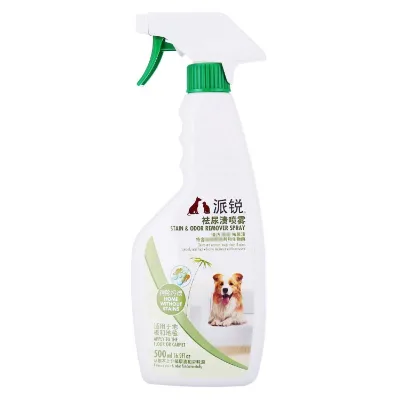



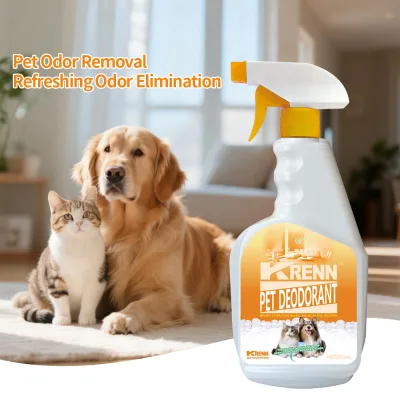


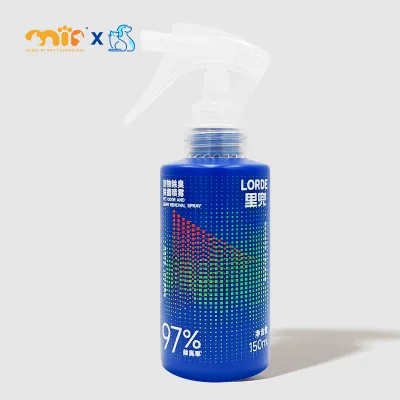
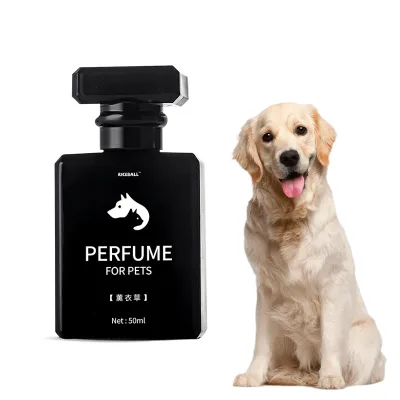
Comprehensive Sourcing Guide
Cat and Dog Pet Deodorant Spray Sourcing Guide
Buyers must first distinguish between the observed product variations, as the market lists items ranging from small 30ml bottles to larger 500ml containers. The data indicates a split between specialized urine stain removal sprays and broader pet cleaning shampoos, requiring clear definition of the intended use case before engaging suppliers. Understanding whether the primary need is odor neutralization or deep cleaning with moisturizing properties is essential for selecting the correct product type from the available catalog.
Procurement teams should also note the significant variance in minimum order quantities, which range from single units to 100,000 pieces depending on the specific listing. Some suppliers offer flexible terms starting at 12 bottles, while others require orders of 45 bottles or more, directly impacting initial inventory investment. Buyers must align their order volume with these thresholds to avoid unnecessary costs or stockouts, ensuring the selected supplier can meet the specific scale of the intended distribution channel.
Product Scope and Observed Listing Signals
The product scope encompasses a variety of formulations designed for small animals, dogs, and cats, with specific features like deodorizing and antibacterial capabilities. Listings highlight natural plant extracts and mild surfactants as key ingredients, suggesting a focus on safety for sensitive pet skin. The observed applications include deep cleaning, hair softening, and moisture retention, indicating that these products serve multiple functions beyond simple odor masking for the end consumer.
Visual and packaging signals provide critical context for branding and logistics planning, as products are often supplied in cartons or boxes with specific dimensions like 53.5cm by 34cm. Color options generally match the provided imagery, with white being a common standard, though some listings allow for customized scents such as fresh lemon. Buyers should verify that the physical appearance and packaging materials align with their brand identity, as the "same as picture" attribute implies limited visual customization unless explicitly negotiated.
Technical Specifications to Verify
Technical verification must begin with the physical capacity and model number, as listings show distinct variations between 30ml and 500ml volumes. The model numbers, such as SJlyn2206291, serve as unique identifiers for specific formulations, and buyers should confirm that the selected model matches the required volume and functional claims. Ensuring the size specification, whether small, medium, or large, aligns with the target market's preference is a critical step before finalizing any purchase agreement.
Chemical and functional specifications require close attention to pH levels and ingredient lists to ensure compatibility with pet skin health. The observed pH range of 6.5 to 7.5 suggests a neutral formulation, which is generally safe for frequent use, but buyers must request batch-specific test reports to confirm consistency. Additionally, the shelf life of two years and the waterproof status of the packaging must be validated to guarantee product stability during storage and transport, preventing degradation or leakage issues.
Compliance and Safety Documentation
Safety documentation is paramount when sourcing products intended for direct contact with animals, requiring verification of ingredient safety and environmental claims. The presence of natural plant extracts and mild surfactants implies a lower risk profile, yet buyers must demand proof of these claims through material safety data sheets or third-party testing results. Without explicit certification data in the provided facts, procurement teams should treat all safety assertions as unverified until supported by official documentation from the manufacturer.
Environmental advantages are frequently cited as a key feature, but the specific standards or certifications backing these claims are not detailed in the current listings. Buyers should inquire about the specific environmental standards met, such as biodegradability rates or eco-friendly packaging certifications, to ensure compliance with local regulations in their target markets. Relying solely on the "Environmental" attribute without concrete evidence could lead to regulatory non-compliance or reputational risks if the claims are not substantiated.
Cost Drivers and Commercial Terms
Cost structures are heavily influenced by the minimum order quantity and the complexity of the packaging, with carton and box options affecting unit pricing. The observed price range of 0.43 to 4.7 USD reflects these variables, where higher volumes and customized packaging likely command different price points. Buyers must analyze the total landed cost, including shipping and potential duties, rather than focusing solely on the unit price, to determine the true economic viability of the order.
Commercial terms regarding customization and OEM/ODM availability offer flexibility but introduce additional lead times and potential costs. While customization of odor and packaging is available, the specific MOQs for these custom orders may differ from standard stock items, requiring careful negotiation. Procurement teams should clarify whether the listed MOQs apply to standard or customized products to avoid unexpected financial commitments and ensure the supplier can meet the required delivery schedule.
Supplier Qualification and Quality Control
Supplier qualification should prioritize those with a clear origin in Sichuan, China, and a demonstrated capacity for both stocked and custom orders. The availability of OEM/ODM services suggests a mature manufacturing base, but buyers must verify the supplier's production capacity to handle large orders without compromising quality. Checking the supplier's track record for maintaining consistent product standards, particularly regarding the 500g or customized weight specifications, is essential for long-term reliability.
Quality control processes must be rigorously defined, focusing on the consistency of the product model and the integrity of the packaging. Since the product is described as "Stocked," buyers should confirm the freshness of the inventory relative to the two-year shelf life to ensure no expired goods are supplied. Implementing a pre-shipment inspection protocol to verify the pH balance, ingredient accuracy, and packaging dimensions will mitigate the risk of receiving substandard products that fail to meet the buyer's specifications.
Long-Term Procurement Checks
Long-term procurement success depends on establishing a robust relationship with suppliers who can adapt to changing market demands and regulatory landscapes. Buyers should regularly review the supplier's ability to maintain the specified pH levels and ingredient quality over time, as these factors directly impact customer satisfaction and product safety. Continuous communication regarding any changes in production standards or material sourcing will help prevent disruptions in the supply chain.
Monitoring the supplier's performance against the initial commercial terms, including lead times and minimum order quantities, is crucial for maintaining operational efficiency. As the market evolves, buyers must remain vigilant about updates to product specifications, such as new volume options or enhanced environmental certifications, to stay competitive. Establishing a periodic review cycle to assess supplier performance and product quality will ensure that the sourcing strategy remains aligned with business goals and consumer expectations.
FAQs
What is the function of this pet deodorant spray?
The product functions to deodorize and remove urine stains from pets. It is specifically designed for dogs and cats to clean up odors effectively. The formula uses natural plant extracts and mild surfactants to ensure safety while providing deep cleaning and softening benefits for the animal's coat.
Can I customize the odor of the spray?
Yes, the odor can be customized to meet specific buyer requirements. The product offers options such as fresh lemon or other scents based on client needs. This customization is available alongside OEM and ODM services for various packaging and formula adjustments.
What is the minimum order quantity for this spray?
The minimum order quantity varies depending on the specific product listing. Some options require a minimum of 12 bottles, while others may start at 45 bottles. Buyers should check the specific item details as the general range spans from 1 to 100,000 units.
Which sizes are available for the pet cleaning products?
The products are available in small, medium, and large sizes. Specific models include 30ml bottles and 500ml capacity options. The packaging typically comes in bottles within cartons or boxes, with dimensions like 53.5cm by 34cm by 28cm for the carton.
How long is the shelf life of the deodorant spray?
The shelf life of the product is two years from the date of manufacture. This duration ensures the effectiveness of the natural plant extracts and mild surfactants. Buyers should store the items in a cool, dry place to maintain the quality throughout the specified period.
Is the product waterproof or suitable for wet pets?
The product is not waterproof, but it is designed for cleaning applications on pets. It is suitable for use on dogs and cats to remove stains and odors. The formula is mild and safe for direct application on the animal's fur during cleaning routines.
Where is the pet deodorant spray manufactured?
The product originates from Sichuan, China. This location is the primary place of origin for the manufacturing process. The goods are stocked and ready for shipment, with packaging details provided for logistics planning by international buyers.